EN
EN AR
AR FR
FR DE
DE HI
HI IT
IT JA
JA KO
KO PT
PT RU
RU ES
ES ID
ID LV
LV VI
VI HU
HU MS
MS GA
GA BE
BE YI
YI EU
EU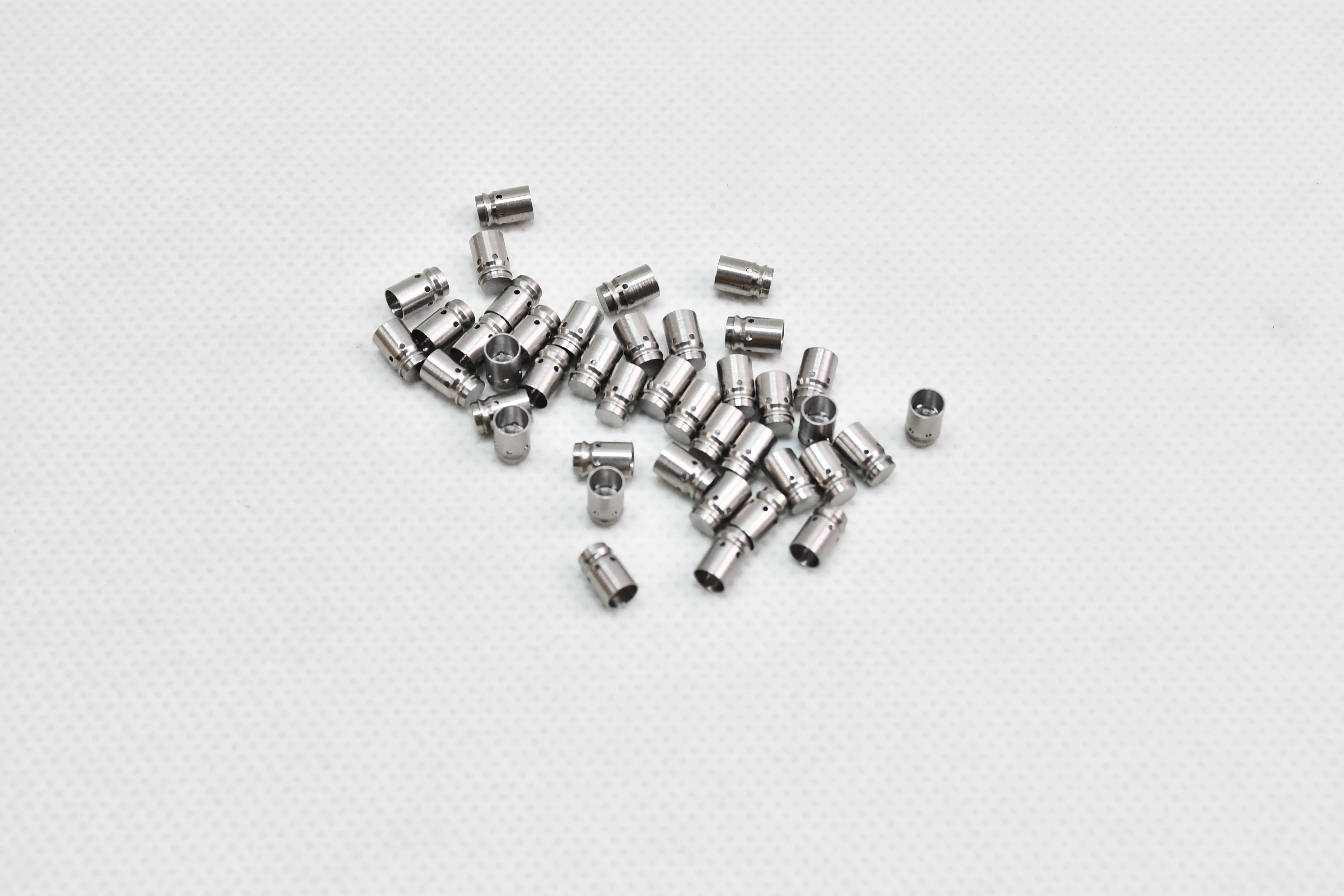
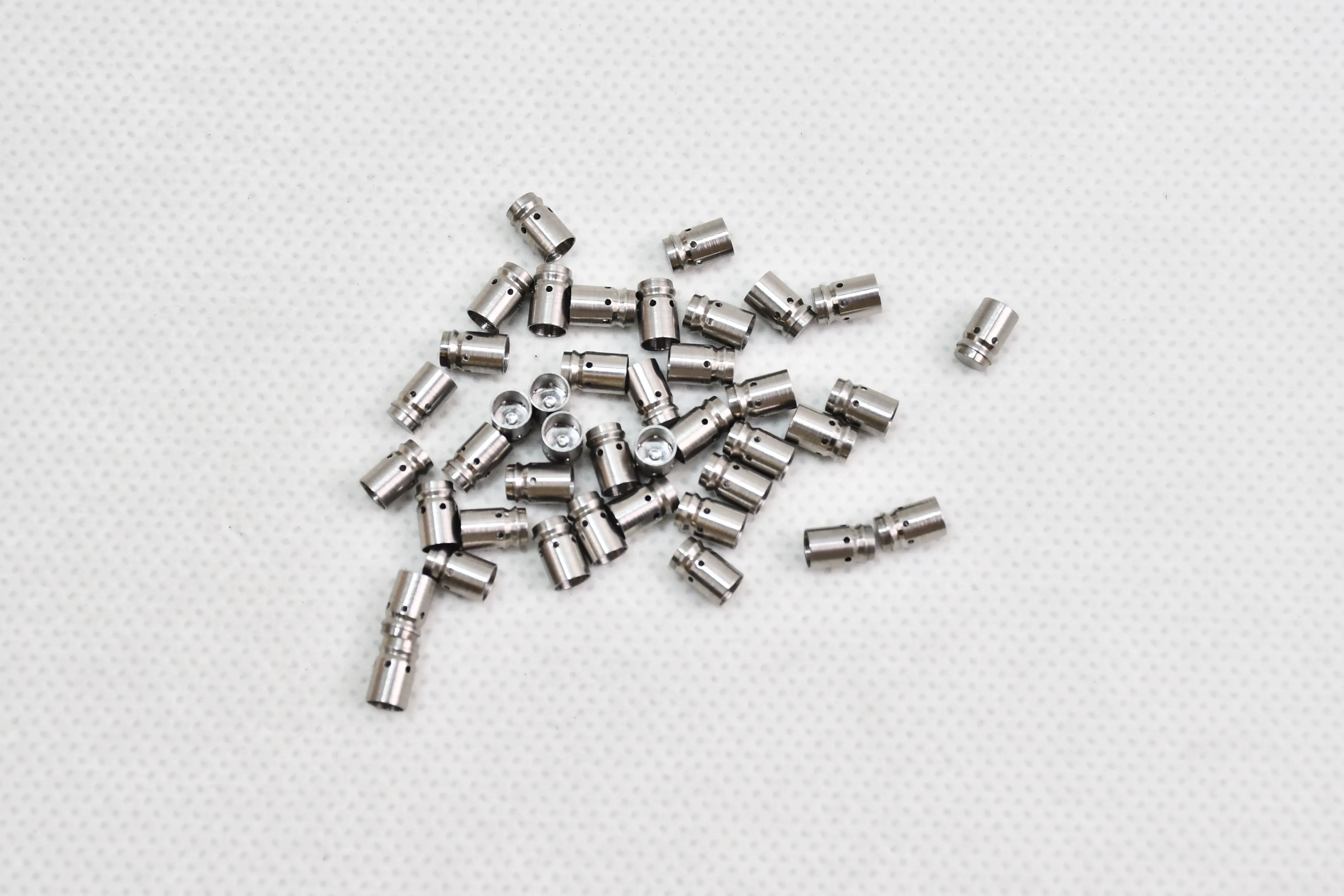
Tungsten Alloy Base – The Foundation of Precision and Stability
| Payment Type: | T/T |
| Incoterm: | CIF,FOB,Express Delivery,EXW,FCA |
| Min. Order: | 100pcs |
| Transportation: | Ocean,Air,Express |
Attributes
Model No.: JDTG-CM-035
Brand: ZZJD
Place Of Origin: China
Size: Custom-made
Material: 95% Tungsten
Denstiy: 18.1g/cm3
Surface: Polished
PACKAGING & DELIVERY
Selling Units : PCS
Package Type : Standard export packing
DESCRIPTION
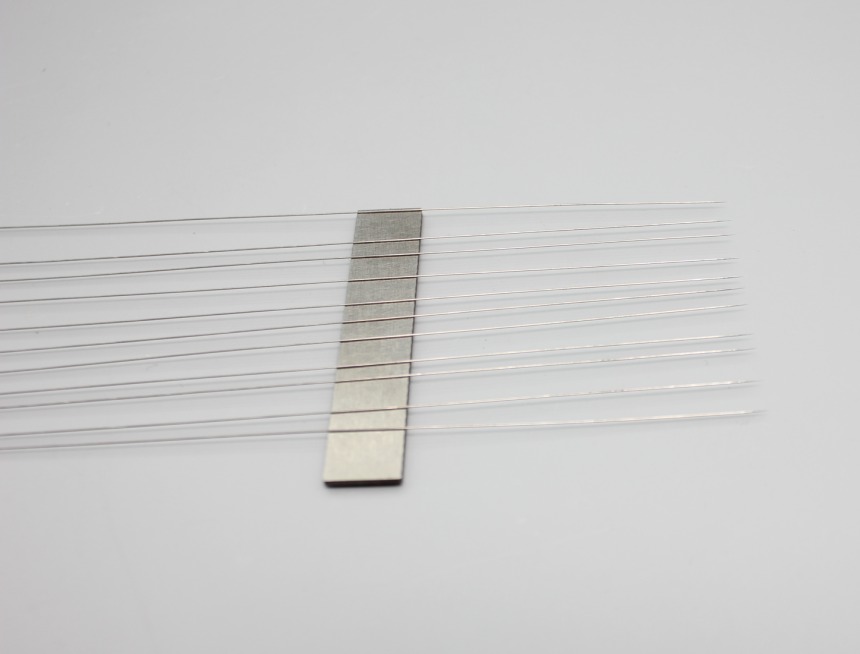
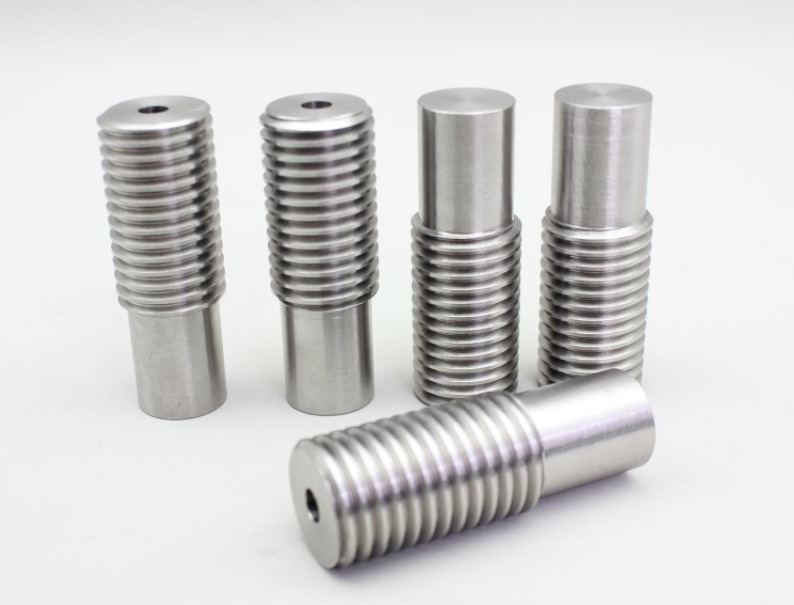
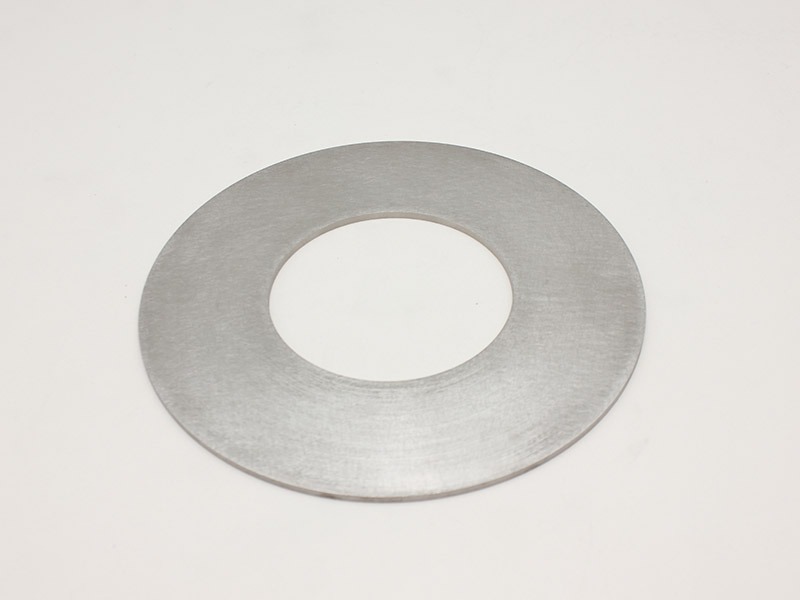
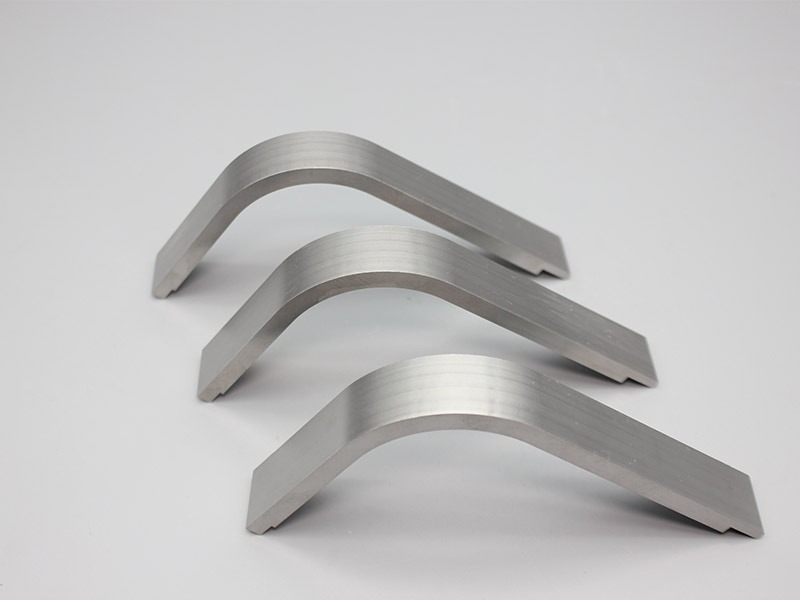
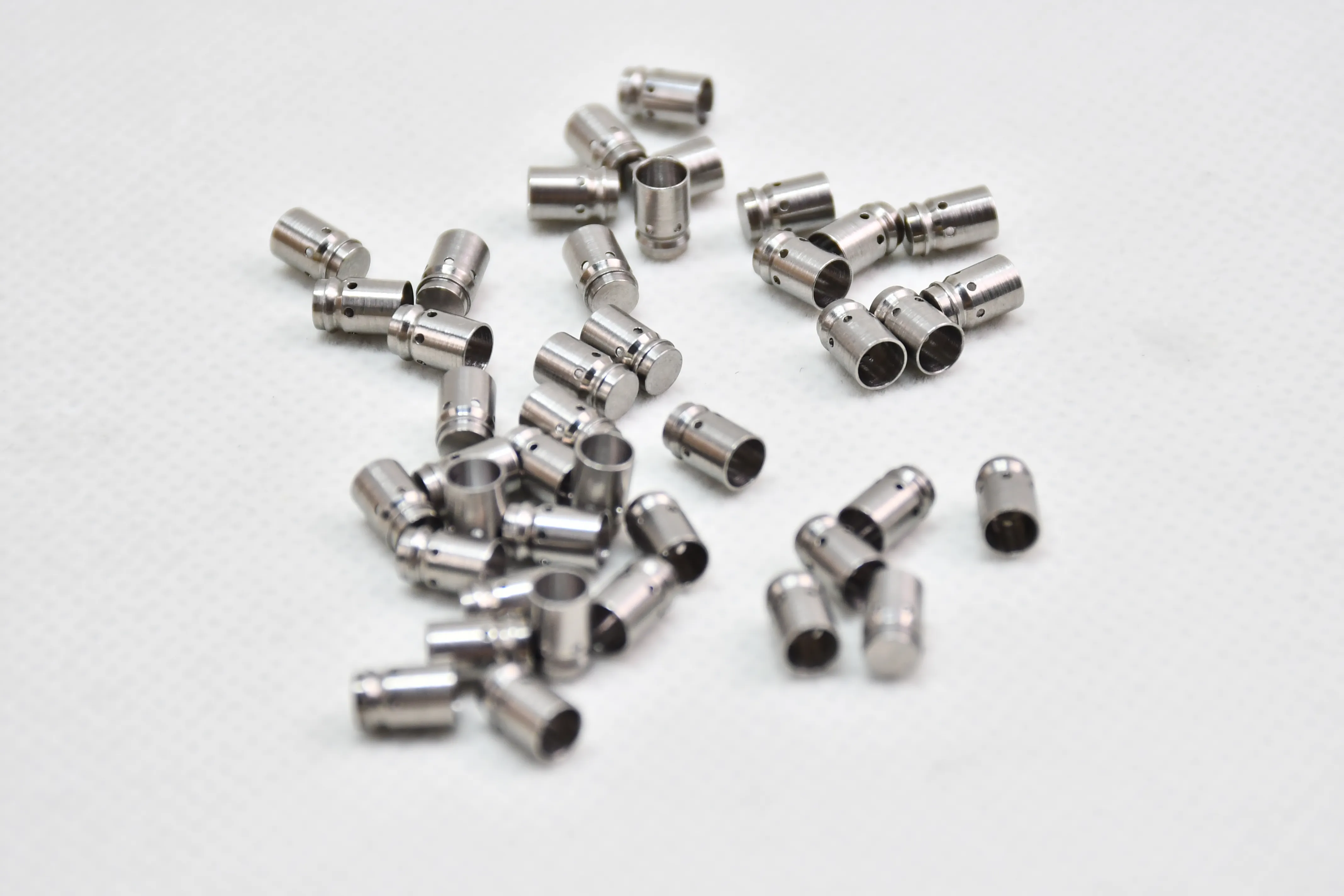
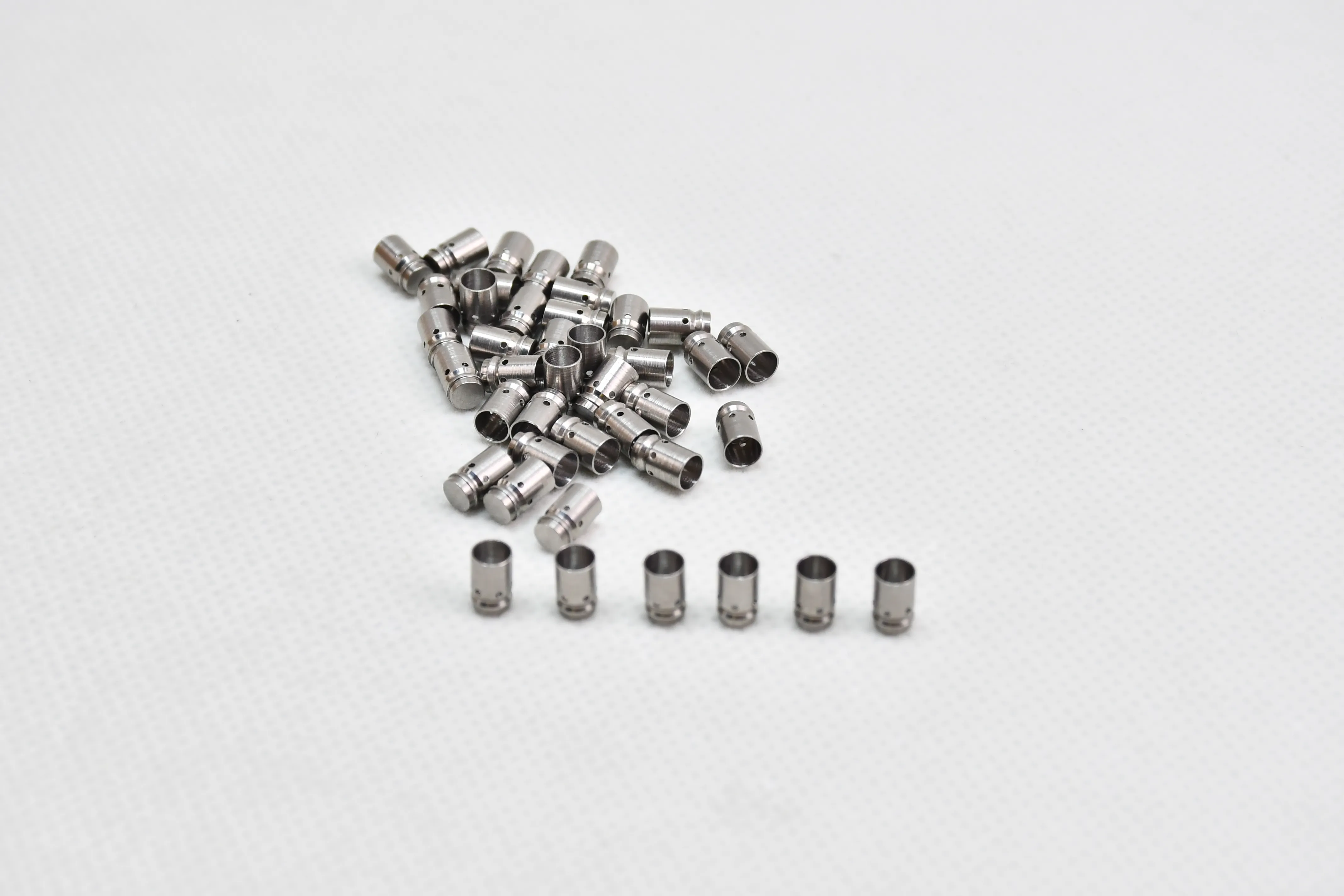
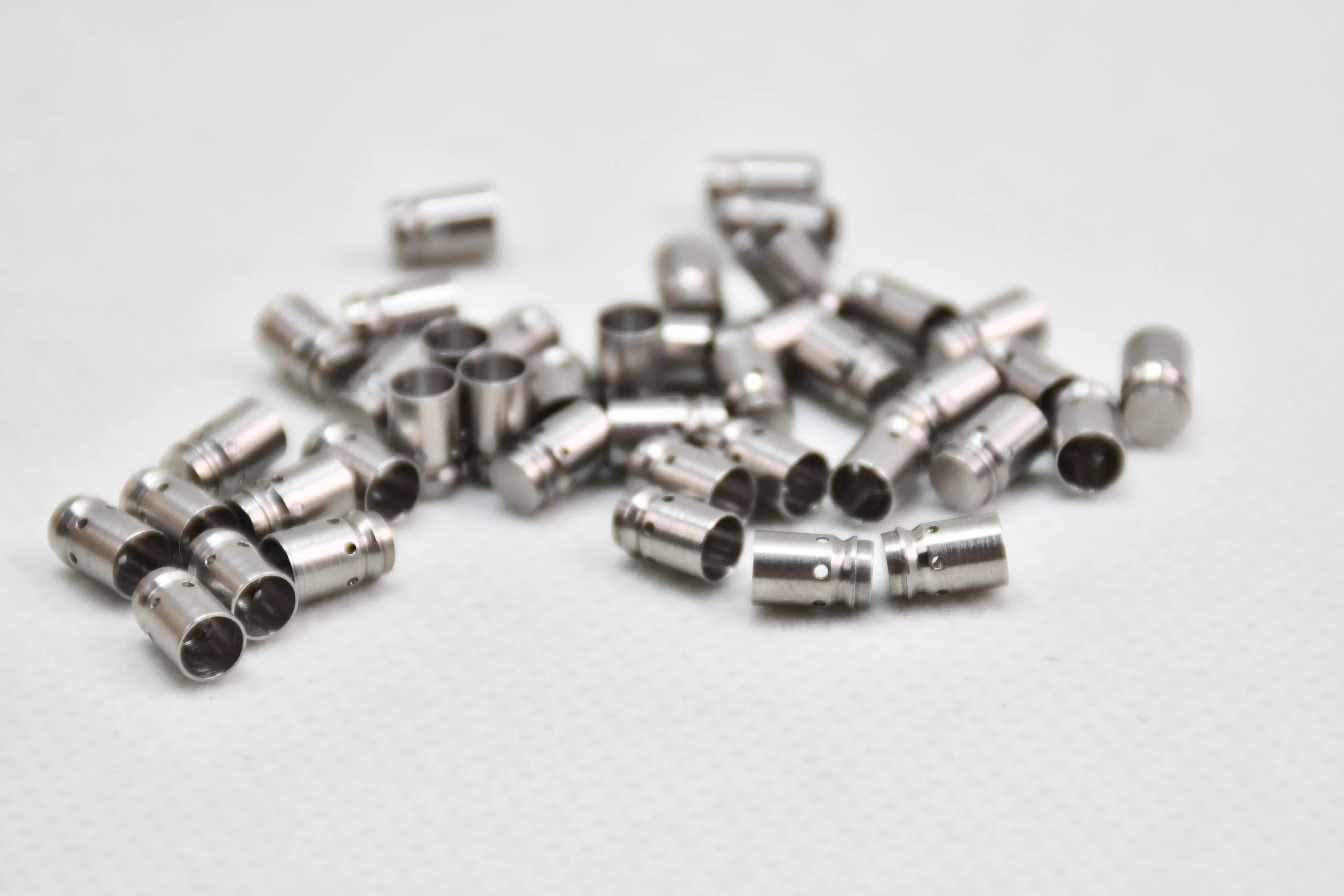
Tungsten alloy base refers to a high-performance substrate or base component made of high-density tungsten-based alloys (predominantly WNiFe or WNiCu systems, with tungsten content 90–97%). It is designed to provide stable support, high counterweight, radiation shielding, or thermal matching for functional components in special working environments. Its core value lies in combining ultra-high density, excellent mechanical stability, and corrosion resistance, making it ideal for scenarios where conventional metal bases (steel, aluminum) fail to meet requirements.
Core Performance Characteristics
Ultra-high density & counterweight capability
Density ranges from 15.8–18.75 g/cm³, 2–3 times that of steel. The base can achieve precise weight distribution in a small volume, which is critical for balancing high-precision equipment.
Excellent mechanical stability
It has high tensile strength (900–1100 MPa), hardness (HB 280–350), and creep resistance. It can maintain structural integrity under high load, vibration, or low-temperature conditions without deformation.
Good thermal & dimensional stability
The thermal expansion coefficient of tungsten alloy is low and matches well with ceramics, semiconductors, and refractory metals. This avoids thermal stress cracking between the base and the mounted components when subjected to extreme temperature changes.
Radiation shielding performance
Tungsten’s high atomic number (Z=74) enables the base to absorb X-rays, gamma rays, and other ionizing radiation, serving as both a support and a shielding component in radiation-related equipment.
Corrosion resistance
It does not rust or corrode in humid, saline, or mild acid-alkali environments. Surface plating (nickel, silver) can further enhance corrosion protection for harsh industrial environments.
Common Production Processes
Tungsten alloy bases are typically manufactured via powder metallurgy + precision machining, tailored to the required shape and size:
Powder mixing: Tungsten powder is uniformly mixed with nickel/iron/copper binder powder through wet mixing to ensure component homogeneity.
Blank forming: The mixed powder is pressed into a base blank under high pressure (200–300 MPa) using cold isostatic pressing (CIP) or die pressing.
Sintering: The blank is sintered in a hydrogen atmosphere at 1400–1600°C to form a dense tungsten alloy billet with a density of over 98%.
Precision machining: CNC milling, grinding, or drilling is used to process the billet into a base with precise dimensions, flatness, and mounting holes (threaded holes, positioning slots).
Surface treatment: Plating, passivation, or polishing is performed according to application needs to improve wear resistance, conductivity, or corrosion resistance.
Primary Industry Applications
1. Metrology & Precision Measurement
CMM & Vision System Bases: Unmatched rigidity minimizes deflection during probing
Laser Interferometer Platforms: Dampens floor vibrations for sub-micron accuracy
Calibration Weight Bases: Reference mass for high-precision scales
2. Semiconductor & Electronics Manufacturing
Photolithography Stage Bases: Thermal stability prevents alignment drift
Wafer Inspection Platforms: Vibration isolation for nanometer-scale imaging
Bonding/Assembly Tooling: Maintains alignment under thermal cycling
3. Medical & Scientific Imaging
CT/MRI Gantry Counterweights: Smooths rotation, reduces motor load
Gamma Camera Shields: Integrated shielding in detector mounts
Electron Microscope Stages: Minimizes specimen drift during long exposures
4. Aerospace & Defense
Inertial Guidance Platforms: Stable reference for accelerometers & gyros
Satellite Optical Benches: Maintains alignment through launch vibrations
Weapon System Mounts: Absorbs recoil, maintains zero
Selection & Specification Process
Step 1: Define Requirements
Primary function (stability, balancing, shielding, etc.)
Size constraints and weight budget
Environmental conditions (temperature, vibration, cleanliness)
Step 2: Material Selection
WNiFe: General purpose, highest density
WNiCu: Non-magnetic applications (MRI, electron optics)
Special alloys: For unique CTE or damping requirements
Step 3: Engineering Review
Finite element analysis (FEA) for stiffness optimization
Dynamic modeling for vibration performance
Thermal analysis for distortion prediction