EN
EN AR
AR FR
FR DE
DE HI
HI IT
IT JA
JA KO
KO PT
PT RU
RU ES
ES ID
ID LV
LV VI
VI HU
HU MS
MS GA
GA BE
BE YI
YI EU
EUAre there any environmental concerns associated with using tungsten fishing tackle?
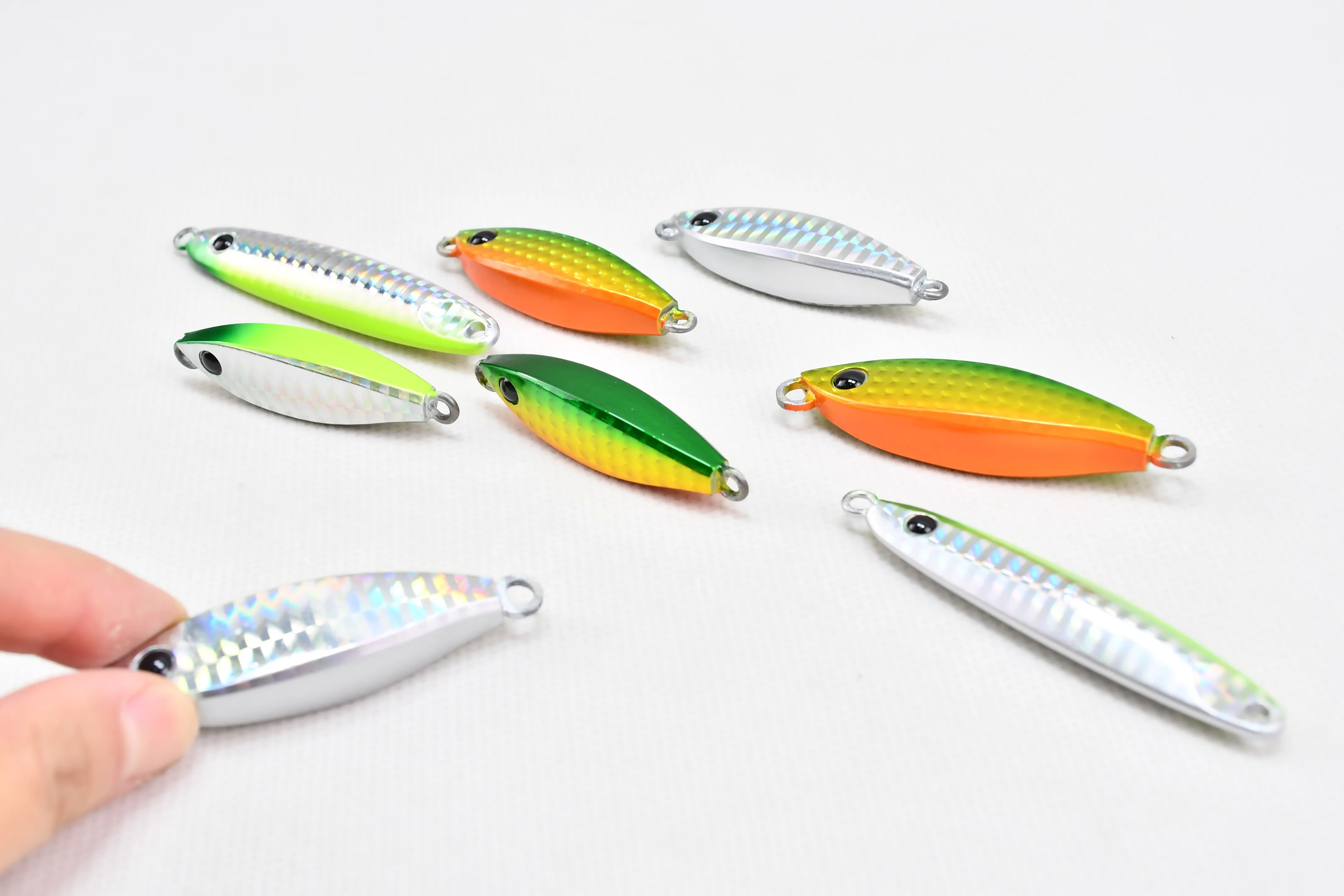
Tungsten fishing tackle is far less environmentally harmful than lead, but it is not entirely without concerns—mostly linked to tungsten mobility under specific conditions, alloy additives, manufacturing/end - of - life impacts, and microplastic coatings. It remains a safer alternative to lead for most angling scenarios.
Key Environmental Concerns
Solubility & mobility in water/soil: Elemental tungsten is generally insoluble in neutral pH water, but in alkaline (high pH) or low - oxygen environments, it can form soluble tungstate ions that leach into groundwater and accumulate in aquatic organisms. High concentrations may stunt plant growth, impair invertebrate reproduction, and harm some fish species.
Alloy & additive toxicity: Many tungsten tackle products are not pure tungsten—they often contain cobalt, nickel, iron, or copper as binders. Cobalt, in particular, is toxic to aquatic life and can cause skin irritation in humans during handling. Some coatings may include heavy metals or UV - reactive dyes that pose additional risks.
Manufacturing & mining footprint: Tungsten mining and processing generate tailings that can contaminate local water and soil if not properly managed. The energy - intensive production of tungsten tackle also contributes to carbon emissions, which adds to its environmental footprint.
Microplastic & coating pollution: Plastic or polymer coatings on tungsten jigs/weights can shed microplastics into water when damaged or degraded, affecting aquatic ecosystems. Glow - in - the - dark or UV - reactive coatings may contain persistent organic compounds.
End - of - life accumulation: Lost or discarded tungsten tackle can accumulate in sediment over time. While it degrades slowly, long - term buildup in high - traffic fishing areas could lead to localized tungsten enrichment, with unknown chronic effects on benthic life.
Why Tungsten Is Still Better Than Lead
|
Aspect |
Tungsten |
Lead |
|
Acute toxicity |
Low (soluble forms only at high levels) |
High—causes fatal poisoning in birds, fish, and mammals |
|
Regulatory status |
No widespread bans; emerging contaminant watch |
Banned/restricted in many regions for fishing tackle |
|
Bioaccumulation |
Low to moderate (tungstates) |
High—builds up in food chains |
|
Environmental persistence |
Persistent but less mobile in most conditions |
Persistent and highly mobile in water/soil |
Mitigation Tips for Anglers
Choose high - Tungsten (≥95%) tackle with minimal alloy additives.
Opt for natural, biodegradable coatings instead of plastic or heavy - metal - based finishes.
Retrieve lost tackle whenever you can to prevent sediment accumulation.
Dispose of worn - out tackle at metal recycling centers instead of throwing it in the trash or water.
Avoid using tungsten tackle in alkaline, low - oxygen waters (e.g., stagnant ponds) where leaching risks are higher.